
When you compare pokies vs skill games, you are really weighing chance against participation. One offers a spinning reel and a soundtrack; the other asks for an input that might shift the outcome. In Australia, where local culture meets digital entertainment, the choice often comes down to how much control you want over your session and how you plan to pay. I have spent over a decade selling software and financial services across SaaS, RegTech, FinTech and real estate, and I have seen the same pattern repeat: buyers do best when they match the product to the job, not the hype to the headline.
How the two formats differ at a glance

Pokies are built around randomness. Each spin is independent, the mathematics sit behind the scenes, and your role is mostly to choose a bet size and sit with the volatility. Skill games add a layer of player input, whether that is timing, selection, or a short sequence of decisions that can influence a round. That difference changes the feel of a session more than the theme on screen.
Think of a Saturday arvo at a Wollongong pub, where a regular pushes a ten dollar note into a local machine and watches the reels turn while the crowd chats over the counter. The machine does not care about the conversation, the weather, or the player’s mood. That is the core of pokies: a self-contained loop where the outcome is decided before the symbols stop moving.
Skill games feel different in the same room. A table quiz, a quick-reaction challenge, or a short decision-based round asks you to lean in for a minute or two, then step back. The entertainment comes from the small moment of involvement, not from waiting for a random result to land.
For players comparing pokies vs skill games, the practical split is simple. Pokies suit people who want a passive session with a clear bet structure. Skill games suit people who want a short burst of participation and a format that rewards attention for a moment. Neither format is a route to income, and neither should be treated as one.
| Feature | Pokies | Skill games |
|---|---|---|
| Primary driver | Random outcome per round | Player input on a short sequence |
| Session feel | Passive, continuous | Active, intermittent |
| Typical bet structure | Fixed lines or coin values | Often per round or per challenge |
| Best fit | Players who want a simple loop | Players who want a moment of control |
What to weigh before you pick a format
Mobile usability matters more than most players admit, especially when you are comparing pokies vs skill games on a phone. A pokies session usually runs as a continuous stream, so the screen needs to load quickly, keep navigation out of the way, and respond without lag when you adjust a bet. A skill game often asks for a tap, a swipe, or a timed choice, which means the controls need to feel immediate and the layout needs to stay readable when you are holding the phone one-handed.
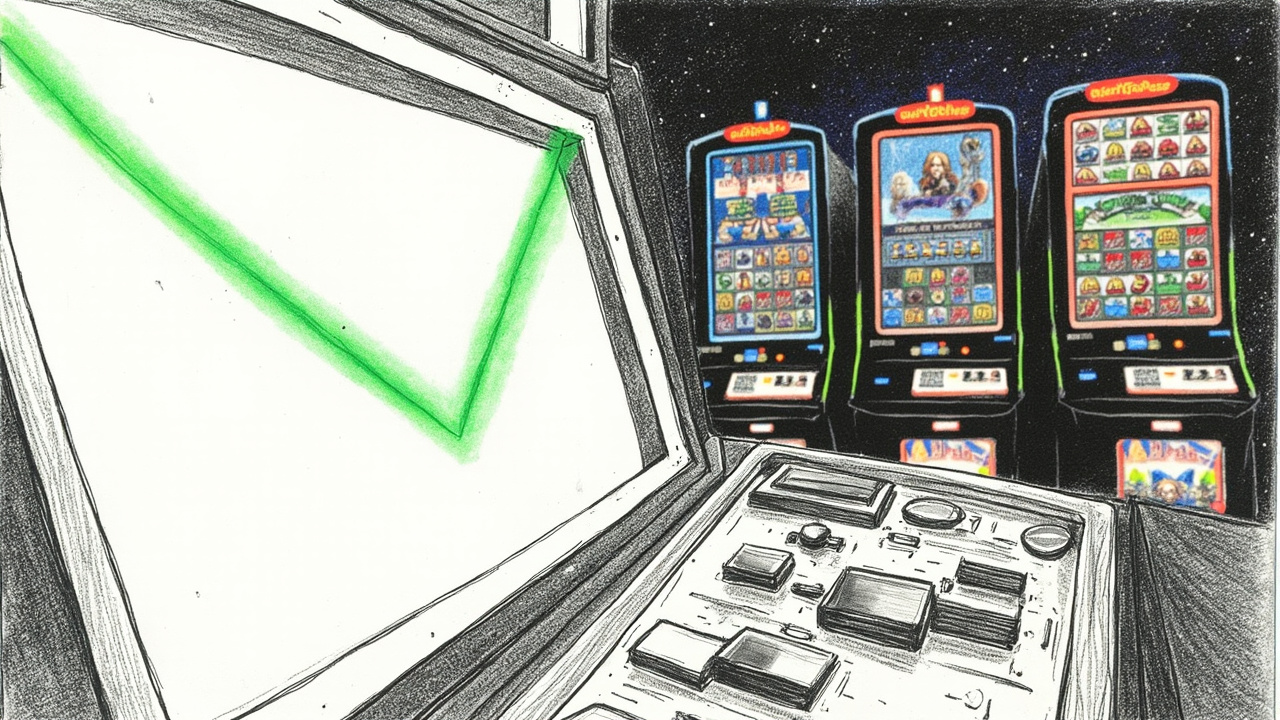
I once watched a client choose a mobile platform for a regional rollout because the navigation stayed consistent across devices, not because the homepage looked polished. The lesson stuck with me. In sales, the product that wins is usually the one that reduces friction at the exact moment a user is making a decision. The same logic applies here. If a pokies interface buries the bet controls or makes the spin button hard to hit, the session turns clumsy. If a skill game hides the rules or makes the timing input inconsistent, the participation feels muddy.
A second detail is how the two formats handle session length. Pokies are easy to extend because each round is self-contained. Skill games can be more stop-start, which is useful if you want a short burst and then a clean exit. That difference is not about which format is better; it is about which rhythm matches your evening.
A third detail is how rules and transparency are presented. In my work across RegTech and FinTech, I learned that clear terms are not a nice-to-have, they are the difference between a product people trust and one they avoid. Skill games especially benefit from rules that are easy to find and easy to read, because player input only feels meaningful when the boundaries are visible. Pokies benefit from clear bet information and plain explanations of how a round is structured, so the randomness is understood rather than guessed at.
The comparison gets more practical when you look at how a platform fits into a normal week. Some players in the Illawarra region treat a pokies session like background activity while they unwind after work. Others prefer a skill game because it gives them something to do with their hands and attention for a few minutes, then move on. Both approaches are valid. The right choice is the one that matches your patience, your device, and the way you like to switch off.
Callum Kelly, Head of Public Relations, Red Centre Analytics, has noted that players often judge a product by how easily it fits into a normal routine rather than by how loud the marketing is. Charlotte Fraser, Independent iGaming Expert, Coastal Wager Research, has pointed out that mobile performance and clear rules tend to matter more than theme when people return to a product. Those views line up with what I have seen in B2B and B2C sales: the offering that reduces confusion usually wins the repeat visit.
Which format suits which player
If you want a simple session with a clear bet and no need to think about timing, pokies are the more natural fit. If you want a short active moment and enjoy making a small decision that changes the feel of a round, skill games are worth a look. The distinction is less about excitement and more about how much of your attention you want to give.
This is where registration and account setup can matter more than people expect. A smooth sign-up that asks for the right details once, and then lets you move into the game without repeated friction, supports both formats. A clunky process does the opposite. In real estate and SaaS sales, I have seen deals stall because the onboarding asked for too much too early, not because the product was weak. The same idea applies to play: the easier the entry, the easier it is to judge whether the format suits you.
Payments and currency clarity also shape the experience. A platform that shows amounts in a familiar way and keeps transaction details easy to read makes it simpler to stay aware of your own limits. That is not a feature to impress friends with; it is a practical part of staying in control. The best setup is the one that lets you see where you stand without making you hunt for the information.
Support and loyalty matter too, but in different ways. For pokies, support is most useful when it helps with account questions or payment timing. For skill games, support is more useful when it helps with rules or round behaviour. Loyalty programmes can be pleasant, but they should not be the reason you choose a format. The format should fit the session you actually want, and the loyalty should be a small extra, not the main event.
If you are based near Wollongong or anywhere along the coast, you probably already know that local habits matter. Some people prefer a quiet session on a phone during a lunch break. Others prefer a longer evening session with a set budget and a clear stop point. The right format is the one that respects that rhythm instead of fighting it.
For players who want to move quickly from account access into a session, a straightforward jackpot jill login can keep the start of the visit simple, provided the rest of the experience is just as clear. The login step should feel like a doorway, not a hurdle, and the games after it should match the expectations you set when you signed up.
Player fit and final call
Pokies vs skill games is not a contest with a universal winner. It is a choice between two different kinds of attention. Pokies suit a passive, continuous session with a fixed bet structure. Skill games suit a short active moment where your input changes the feel of the round. If you want background play, pick pokies. If you want a brief participation loop, pick skill games.
The practical check is simple. Open the platform on the device you actually use, read the rules once, check the bet display, and see whether the controls feel natural in your hand. If the session feels clear and the rhythm matches your evening, you have probably found the right fit. If it feels muddy, step back and try the other format before you commit any time or money.